Mastering Religious Design with Teaching Ting Disciples: A Guide for Creators
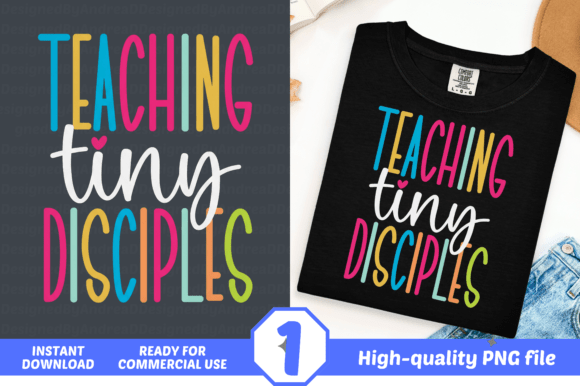
Faith-based design is a unique niche that requires a delicate balance between artistic expression and spiritual reverence. Whether you are creating materials for a church bulletin, designing merchandise for a ministry, or simply looking to decorate your home with meaningful imagery, the quality of your assets matters immensely. This is where resources like Teaching Ting Disciples, Religious sublimation designs come into play. These digital assets offer a bridge between traditional religious iconography and modern crafting techniques, allowing creators to produce high-quality items ranging from t-shirts to wall art. However, diving into the world of sublimation and digital downloads without a clear strategy can lead to wasted time, money, and frustration.
Many enthusiasts and small business owners jump straight into purchasing and printing without fully understanding the nuances of file resolution, material compatibility, or licensing terms. The result is often a final product that looks pixelated, fades quickly, or—worst of all—violates usage rights. To help you navigate this landscape effectively, let's explore the common pitfalls associated with using religious sublimation designs and how you can avoid them to ensure professional, lasting results.
Understanding the Value of High-Resolution Religious Assets
At its core, a design package labeled Teaching Ting Disciples, Religious is more than just a picture; it is a tool for communication. These designs often depict scenes or symbols related to discipleship, teaching, and spiritual growth. When you download a file advertised as 300 DPI (dots per inch), you are getting an image optimized for print clarity. This resolution is the industry standard for ensuring that lines remain crisp and colors stay vibrant, regardless of whether you are printing on a small sticker or a large tote bag.
The appeal of these specific designs lies in their versatility. Because they are typically provided in PNG format with transparent backgrounds, they integrate seamlessly into various projects. You aren't limited to one application. A savvy creator might use the same graphic to create a set of encouraging cards for a Bible study group, print it onto a mug for a pastor's appreciation gift, or incorporate it into a scrapbook page documenting a mission trip. The potential is vast, but only if the foundational file is handled correctly.
Common Mistakes in File Selection and Preparation
One of the most frequent errors beginners make is ignoring the technical specifications of the download. While a listing might promise a "great offer" with exclusive designs, users often skip checking the actual resolution before purchase. If you attempt to enlarge a low-resolution image to fit a large frame illustration, the result will be blurry and unprofessional. This is particularly damaging in a religious context, where the presentation of the message should reflect care and dignity.
Another significant oversight involves the software used to manipulate these files. Not all image editors handle PNG transparency equally well. Some users inadvertently add a white background box around their design when saving or exporting, which ruins the seamless look when sublimated onto colored garments. Always double-check your canvas settings. If you are resizing the image, ensure you are maintaining the aspect ratio to prevent the figures in the Teaching Ting Disciples, Religious artwork from looking stretched or distorted.
Furthermore, there is a tendency to overlook color management. Sublimation printing relies on heat to transfer dye into polyester fibers. The colors you see on your monitor may not perfectly match the output on the press, especially with deep reds or specific skin tones often found in religious illustrations. Failing to run a test print on a scrap piece of material can lead to a batch of t-shirts that look washed out or too dark.
Navigating Licensing and Business Expansion
For entrepreneurs and freelancers looking to expand their business, understanding the license attached to your download is critical. Many digital marketplaces offer files for personal use only, while others provide commercial licenses that allow you to sell physical products made with the design. A common misunderstanding is assuming that buying a file gives you the right to resell the digital file itself. This is almost never the case. You are purchasing the right to use the image on physical end-products, such as stickers, cards, or apparel.
If you plan to build a brand around faith-based merchandise, verify the terms explicitly. Can you use the Teaching Ting Disciples, Religious graphics on unlimited items? Are there restrictions on print-on-demand services? Ignoring these details can lead to copyright strikes or legal issues down the road. A proactive approach involves keeping a organized folder of your licenses and reading the "Terms of Use" document included in your download zip file before listing your first product.
Practical Steps for Flawless Execution
To ensure your projects meet high standards, adopt a workflow that prioritizes quality control. Before you even start the printing process, inspect the file at 100% zoom. Look for jagged edges or artifacts that might indicate compression issues. If the file claims to be 300 DPI but looks fuzzy on your screen, contact the seller immediately rather than trying to fix it yourself.
When preparing for sublimation, remember that the design must be mirrored horizontally before printing. Since the image transfers onto the substrate during the heat press process, forgetting this step will result in reversed text or awkwardly oriented figures, which can be distracting and reduce the impact of the message. Additionally, pay attention to the fabric composition. Sublimation works best on materials with a high polyester content. Using these designs on 100% cotton will result in a faded, vintage look that washes out quickly, which might not be the intended effect for a vibrant religious illustration.
- Check Resolution: Always verify the image is 300 DPI at the size you intend to print.
- Mirror Your Image: Flip the design horizontally before sending it to the printer.
- Test Colors: Run a sample print to adjust color profiles for your specific heat press settings.
- Review Licenses: Confirm you have commercial rights if you plan to sell the finished goods.
- Select Materials: Use high-polyester blanks for vibrant, long-lasting sublimation results.
Making the Right Choice for Your Projects
Ultimately, the goal of using resources like Teaching Ting Disciples, Religious is to create something that inspires and uplifts. Whether you are a hobbyist making gifts for friends or a marketer launching a new line of faith-based apparel, the quality of your input dictates the quality of your output. By taking the time to understand the technical requirements, respecting licensing agreements, and applying best practices in sublimation, you can avoid the common traps that plague many newcomers.
Take advantage of exclusive designs not just for their aesthetic value, but for the opportunity they present to communicate meaningful messages through high-quality craftsmanship. When you approach each project with intention and attention to detail, your work becomes more than just a product; it becomes a testament to the care and creativity you bring to your craft. So, before you hit that download button, pause to review your needs, check your equipment, and prepare to create something truly exceptional.